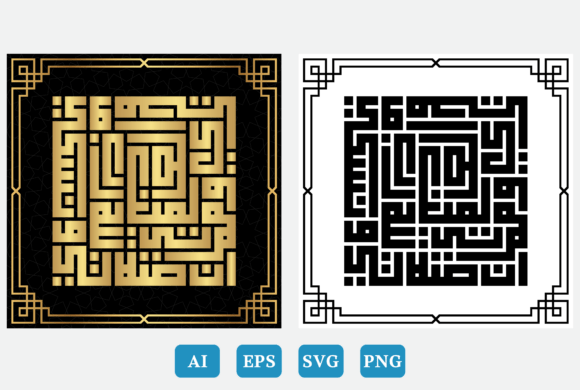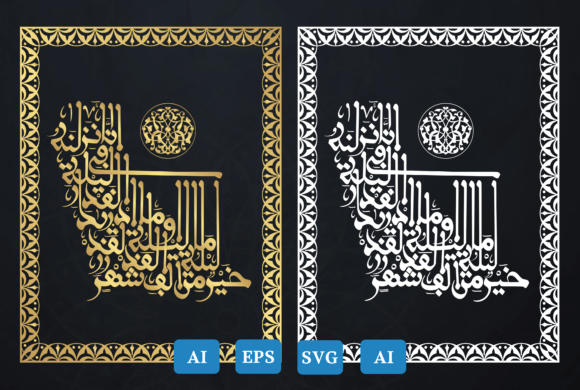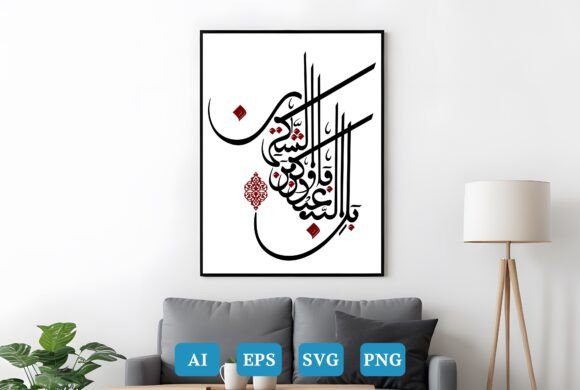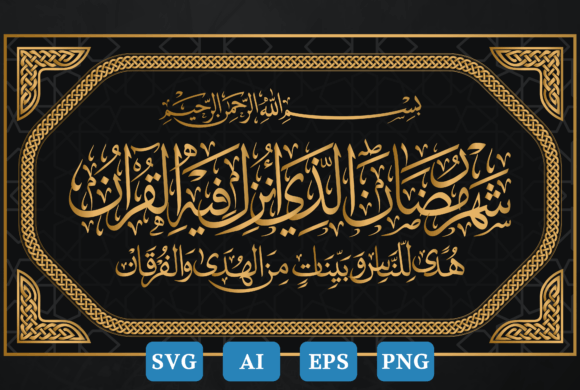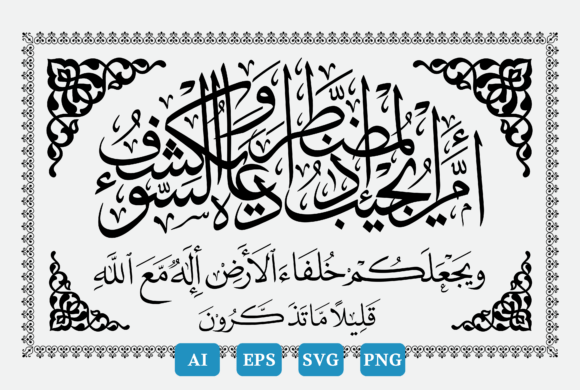
Calligraphy Islamic, Surah an-Naml Ayat Graphics
As a brand designer and content marketer, I often seek out graphic design assets that not only look beautiful but also serve a clear purpose in visual storytelling. Calligraphy Islamic, Surah an-Naml Ayat is one such asset that blends spiritual symbolism with creative design, making it a powerful tool for small business branding, content marketing, and digital product creation.
The First Impression: Aesthetic and Emotional Tone
Calligraphy Islamic, Surah an-Naml Ayat immediately captures attention with its elegant flow and deep cultural resonance. The intricate strokes and traditional Arabic script evoke a sense of reverence, making it ideal for brands that want to convey authenticity, tradition, or a connection to Islamic heritage. This design asset can set the tone for campaigns focused on mindfulness, spirituality, or cultural appreciation.
Its visual weight and complexity make it more suited for premium or lifestyle branding rather than casual or minimalist aesthetics. When used thoughtfully, it adds a layer of sophistication that can elevate social media graphics, editorial layouts, and even packaging design.
Practical Applications in Marketing and Branding
Calligraphy Islamic, Surah an-Naml Ayat works well across multiple marketing touchpoints. For instance, a small business launching a new line of handmade soaps could use this design as a header on their website or as a decorative element on product labels. It also fits naturally into content kits, Canva templates, and printable promotions, offering a cohesive look that aligns with brand identity.
In social media marketing, this asset can be used as a background for Instagram posts, Facebook ads, or Pinterest pins. Its visual appeal helps create a stronger first impression, which is crucial in a crowded digital space. When paired with modern design elements, it can bridge the gap between traditional and contemporary aesthetics.
Supporting Marketing Goals with Visual Consistency
One of the key benefits of using Calligraphy Islamic, Surah an-Naml Ayat is its ability to reinforce visual consistency. For brands that rely on a strong visual hierarchy, this design asset can act as a focal point without overwhelming the message. It supports clearer communication by guiding the viewer’s eye toward important information while maintaining a professional appearance.
This is especially useful in content marketing, where consistent branding across blogs, email newsletters, and lead magnets can build trust and recognition. The asset also enhances audience trust by signaling that the brand values craftsmanship and cultural depth.
Best Use Cases for Calligraphy Islamic, Surah an-Naml Ayat
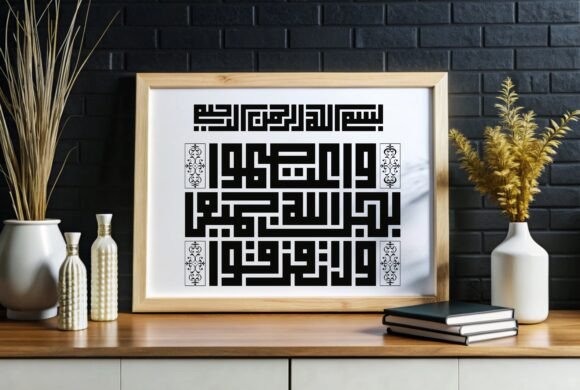
This design shines in hero graphics, campaign headers, and product launch visuals. It can be incorporated into branded templates, social media covers, and packaging accents to create a memorable brand presence. For example, a digital seller promoting Islamic-inspired home decor could use this asset in a design bundle that includes SVG and PNG files, making it easy to integrate into various projects.
It also excels in editorial design, where its ornate style complements written content about faith, culture, or art. In web design, it can serve as a subtle background or a striking header that reinforces brand messaging without distracting from the main content.
Where to Use with Caution
While Calligraphy Islamic, Surah an-Naml Ayat is versatile, it may not fit every branding scenario. In formal corporate settings, its complexity could clash with clean, minimal designs. Similarly, in dense information layouts or small mobile graphics, the details might become lost or illegible.
Brands that prioritize simplicity or have a very low-contrast color palette should test this asset carefully. It also competes with text-heavy ads, so it’s best used as a supporting element rather than the primary message.
Brand Designer Notes: Testing and Integration
Before finalizing any campaign, I recommend testing Calligraphy Islamic, Surah an-Naml Ayat against the brand’s color palette. Ensure it looks good in black and white, and preview it on mobile screens to check readability at smaller sizes. Mockups are essential to see how it integrates with other design elements like fonts, spacing, and layout.
When pairing it with different font styles—serif, sans serif, script, or display—it’s important to maintain balance. Overloading a design with too many elements can dilute the impact of the calligraphy. Always confirm commercial licensing before using it in paid campaigns or client work to avoid legal issues.
Conclusion: A Strong Design Asset for Purposeful Branding
Calligraphy Islamic, Surah an-Naml Ayat is more than just a decorative element; it’s a strategic tool for brands looking to connect with audiences through meaningful visuals. Whether used in digital ads, social media graphics, or print materials, it offers a unique blend of artistic expression and cultural significance.
For small business owners, content creators, and digital sellers, this asset can be a valuable addition to their creative marketplace toolkit. With careful integration and thoughtful application, it can enhance brand perception, strengthen audience engagement, and support long-term visual consistency in marketing efforts.